Why Is My Electric Bill So High in Summer? Could Your AC Be the Problem?
A higher electric bill during a hot Missouri summer is not automatically a sign that something is wrong with your air conditioner. When temperatures climb and the AC runs more often, electricity use naturally increases.
But if your bill suddenly jumps, keeps climbing, or seems unusually high compared with similar weather, your cooling system may be part of the reason.
At Tom’s Air Conditioning & Heating, we look at high utility costs the same way we look at many comfort problems: as a symptom that needs context. The bill tells you something changed. It does not tell you whether the cause is the air conditioner, restricted airflow, dirty equipment, leaking ductwork, humidity, thermostat settings, another household electrical load, or several conditions happening at once.
That distinction matters because simply replacing one component does not always solve the problem that caused the homeowner to start looking for answers.
Quick Answer: Your AC can contribute to a high electric bill in summer when it operates for longer periods than expected or when a system condition affects how effectively it cools your home. Common causes include restricted airflow, dirty filters or coils, duct leakage, humidity problems, thermostat settings, maintenance needs, mechanical problems, and aging equipment.
Is It Normal for Electric Bills to Go Up in Summer?
Yes. Some increase in electricity use is expected when Missouri temperatures rise and your air conditioner spends more time cooling the home.
During a long stretch of heat in Springfield or around the Lake of the Ozarks, a cooling system may run considerably more than it did during a mild early-summer week. That does not automatically indicate a problem.
The better question is whether the increase makes sense based on the weather and how your home is behaving.
Look at More Than the Dollar Amount
One of the first things worth checking is whether your actual electricity usage increased or only the total amount of the bill changed.
Compare your recent bill with similar periods and look at:
- Kilowatt-hour usage
- Outdoor temperatures
- Changes in utility rates
- Changes in household occupancy
- New appliances or electrical equipment
- Pool pumps, dehumidifiers, or other seasonal loads
A higher bill during a significantly hotter month may simply reflect greater cooling demand.
A sharp increase without a similar change in weather, household use, or utility rates deserves a closer look.
When a Higher Summer Bill Deserves More Attention
The electric bill becomes a more useful clue when it changes alongside the way your home or HVAC system is operating.
For example, you may notice that:
- The AC is running much longer than before
- The home takes longer to reach the thermostat setting
- Certain rooms are becoming harder to cool
- Airflow feels weaker
- Indoor humidity has increased
- The system sounds different
- Comfort has gradually declined
In our experience, those changes usually tell us more about where to start looking than the dollar amount of the bill by itself.
How Can an Air Conditioner Cause a High Electric Bill?
An air conditioner can contribute to higher electricity use when it operates longer than expected or when a condition within the system or home reduces effective cooling.
The cause is not always located inside the outdoor AC unit.
We regularly look at several connected parts of the home comfort system, including the equipment, airflow, ductwork, controls, humidity, and how the home is actually using conditioned air.
A system may produce cool air normally but lose part of that air through damaged ductwork. Another may have intact ducts but struggle because the indoor coil is not receiving proper airflow.
To the homeowner, both situations may look similar: the AC runs more, the house is less comfortable, and the electric bill increases.
The diagnosis is what separates one problem from the other.
8 AC Problems That Can Increase Summer Cooling Costs
1. Your Air Conditioner Is Running Longer Than It Used To
Longer AC runtime generally means more electricity is being used.
That does not make long cycles automatically abnormal. During very hot weather, properly operating systems can run for extended periods.
The concern is when runtime changes noticeably or the system struggles to maintain a temperature it previously handled without difficulty.
Possible causes include airflow restrictions, dirty equipment, duct leakage, thermostat or control problems, equipment issues, or changes in system performance.
If the main change you have noticed is excessive runtime, our guide explaining why an AC may run constantly during summer explores those causes in more detail.
2. A Dirty Air Filter Is Restricting Airflow
Checking the filter is one of the simplest places to start when cooling performance changes.
A heavily loaded filter can restrict airflow through the system. That may affect heat transfer, comfort, and how long the equipment needs to operate.
However, one mistake homeowners sometimes make is assuming that a clean filter proves the airflow is fine.
It does not.
Airflow can also be affected by the blower, return-air system, supply ducts, indoor coil, duct restrictions, and system configuration.
In homes around Nixa and other fast-growing communities near Springfield, we may see newer and older systems with very different airflow challenges. The age of the home alone does not tell you whether air is moving through the system correctly.
3. Dirty Coils Can Affect Heat Transfer
Your air conditioner cools the home by moving heat.
The indoor evaporator coil absorbs heat from the air, while the outdoor condenser coil releases heat outside.
When excessive dirt or debris interferes with those surfaces, the system may not transfer heat as effectively as intended.
The U.S. Department of Energy recommends routine air-conditioning maintenance, including attention to filters and coils, because neglected maintenance can reduce system performance.
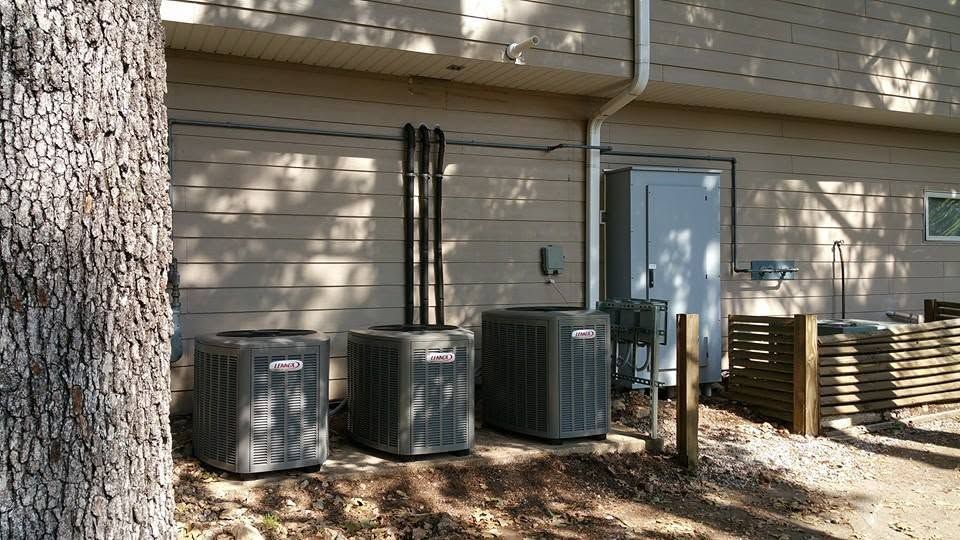
Outdoor units may collect grass clippings, leaves, cottonwood, and other debris. Indoor coil conditions can be harder for homeowners to see and may also be connected to filtration or airflow problems.
Visible debris around an outdoor unit may be easy to notice, but aggressive DIY cleaning can damage coil fins or electrical components. When cooling performance has changed, finding out what is actually happening is usually more useful than assuming the coils simply need to be sprayed off.
4. Your Ductwork May Be Losing Conditioned Air
The AC equipment can be operating while the home still fails to receive all of the conditioned air being produced.
Disconnected, damaged, poorly insulated, or leaking ducts can allow cooled air to escape before it reaches the rooms where you need it.
Duct issues may also show up as uneven temperatures, weak airflow, or specific rooms that never seem to match the rest of the home.
In homes around Republic or Rogersville that have been remodeled, expanded, or modified over time, the duct system may not always match the way the home is being used today.
That is one reason we do not assume replacing the outdoor equipment will automatically correct every comfort or energy-use complaint.
5. High Indoor Humidity Can Add to the Comfort Problem
Air conditioners remove both heat and moisture during normal cooling operation.
When indoor humidity remains high, the house can feel warmer and less comfortable even when the thermostat temperature looks reasonable.
The natural response is often to lower the thermostat.
That may increase cooling runtime without correcting the reason the home feels uncomfortable.
We see especially varied humidity conditions around Camdenton, Osage Beach, and other Lake-area communities because every property is different. A full-time residence, a lake house that sits unoccupied during part of the week, and a home that repeatedly has doors opening during busy summer weekends may all place different demands on the cooling system.
Humidity problems can also be connected to airflow, ductwork, equipment operation, system sizing, or moisture entering the home.
Our guide to why a house can remain humid while the air conditioner is running explains those relationships in more detail.
6. Thermostat Settings or Controls May Be Increasing Runtime
Sometimes the system is doing exactly what it has been told to do.
- The temperature setting
- Cooling schedules
- Fan settings
- Recent thermostat programming changes
- Whether the thermostat appears to be reading the room correctly
One common misconception is that setting a conventional central AC much colder will make the house cool down faster.
In most cases, it simply tells the system to continue running until the lower setting is reached.
There is also an important difference between choosing a colder setting and discovering that the same setting you have always used has suddenly become difficult to maintain.
That second situation may indicate that something changed and deserves investigation.
7. Your AC May Need Maintenance or Repair
Many conditions that affect system performance are not obvious from the thermostat.
Depending on what we find, an evaluation may involve the blower, electrical components, controls, coil condition, drainage, airflow, refrigeration performance, and other accessible parts of the system.
Refrigerant is a good example of why diagnosis matters.
An air-conditioning system is designed as a closed refrigeration circuit. If a system is low on refrigerant, the goal should be to understand why rather than treating refrigerant as something that normally needs routine topping off.
Preventative maintenance can also uncover developing conditions before they become larger comfort problems or unexpected breakdowns.
Tom’s Home Comfort Assurance Plans include scheduled maintenance and our Show Me Reporting process so homeowners can see the condition of their equipment and understand what was found.
8. An Older System May Be Losing Performance
Older equipment can become less reliable or efficient over time, but age by itself is not a diagnosis.
Before recommending replacement, we believe it makes more sense to look at the entire situation:
- Current equipment condition
- Repair history
- Cooling performance
- Energy use
- Comfort
- Reliability
- Cost of needed repairs
- The homeowner’s future plans
A high electric bill alone is not enough information to determine that you need a new AC.
Sometimes the answer is maintenance. Sometimes it is a repair, an airflow correction, ductwork, or another system issue.
In other cases, comparing newer equipment may make sense.
The important part is understanding why the system is not performing the way you expect before choosing the solution.
Does a High Electric Bill Mean You Need a New Air Conditioner?
No. A high electric bill by itself does not mean your air conditioner needs to be replaced.
The underlying issue could involve maintenance, airflow, ductwork, controls, a repairable equipment problem, changing home conditions, or an aging system.
When Repair or Maintenance May Make More Sense
Maintenance or repair may be the better next step when there is a specific correctable condition and the rest of the system remains appropriate for the home.
That might involve airflow restrictions, dirty components, thermostat issues, repairable mechanical problems, or duct concerns.
The goal is not to choose repair simply because it costs less today. It is to determine whether the correction makes sense based on the overall condition and expected future performance of the system.
When Replacement May Be Worth Comparing
Replacement becomes more reasonable to evaluate when a system has repeated repairs, worsening reliability, major component problems, declining performance, persistent comfort concerns, or repair costs that are difficult to justify based on the equipment’s condition.
Tom’s provides air conditioning service, repair, and replacement guidance based on what we find rather than assuming every older system needs to be replaced.
Evaluate first. Compare your options second.
What Can You Check Before Calling an HVAC Company?
There are several simple checks homeowners can make safely.
Check the Air Filter
If the filter is visibly dirty, replace it according to the filter manufacturer’s guidance and the needs of your system.
Do not assume the most restrictive filter available is automatically the best option for every HVAC system. Filtration and airflow need to work together.
Check the Thermostat
Confirm that it is set to cooling mode, using the schedule you expect, and set to the intended temperature.
Also check the fan setting and batteries if your thermostat uses them.
Look for Blocked Supply and Return Openings
Furniture, curtains, rugs, storage, and household items can accidentally block airflow.
Make sure visible registers and returns are not obstructed.
Compare Electricity Usage, Not Just Cost
Look at kilowatt-hour consumption from previous months or similar periods from the prior year.
Then consider whether weather, rates, occupancy, or other household electrical use changed.
Pay Attention to What Changed
- Is the AC running longer?
- Has airflow changed?
- Are some rooms becoming harder to cool?
- Does the home feel more humid?
- Is the thermostat setting harder to maintain?
- Are there new noises or odors?
- Did the problem appear suddenly or gradually?
Those details can give a technician a much better starting point.
How an HVAC Professional Diagnoses High Cooling Costs
A professional evaluation should not begin with the assumption that you need new equipment.
It should begin with the question: What changed?
System Operation
A technician may evaluate how the system starts, runs, cycles, and responds to the thermostat.
System temperatures, controls, and electrical operation can provide useful diagnostic information.
Airflow
One of the first areas we frequently look at is how air is moving through the system.
That may involve the filter, blower, return air, supply airflow, coil condition, and accessible ductwork.
Refrigeration and Heat Transfer
When appropriate, the refrigeration circuit and operating temperatures may need to be evaluated to determine whether the equipment is absorbing and rejecting heat as expected.
Ductwork and Home Conditions
The equipment is only one part of the system that affects comfort.
In a Sunrise Beach lake home, a Springfield residence, or a home anywhere else we serve, the evaluation may also need to consider duct conditions, humidity, temperature differences between rooms, and how the home itself affects cooling demand.
This is where Tom’s Show Me Reporting process becomes especially valuable.
We document what we find and explain what may be affecting the system so homeowners can see the information behind the recommendation rather than simply being told they “need” something.
The Most Expensive Fix Is Not Always the Right Fix
When homeowners see a high electric bill, one of the first assumptions is often that they need a newer, more efficient air conditioner.
Sometimes replacement is the right long-term decision.
Sometimes it is not.
Installing new equipment without understanding existing airflow, ductwork, humidity, controls, and other system conditions can leave part of the original problem unresolved.
Depending on what an evaluation finds, the right next step may involve:
- Maintenance
- A targeted repair
- Airflow improvements
- Ductwork corrections
- Thermostat or control changes
- Humidity solutions
- Equipment replacement
This is why we look at the system as a whole instead of stopping at the most obvious symptom.
When Should You Have Your AC Checked During a Missouri Summer?
Consider scheduling an HVAC evaluation when higher electricity use appears alongside a noticeable change in cooling performance.
- Much longer runtime
- Difficulty maintaining the thermostat setting
- Weaker airflow
- Increasing indoor humidity
- Rooms becoming harder to cool
- Repeated repair problems
- Cooling costs that continue rising without a clear explanation
Heavy AC use is normal during stretches of extreme summer heat.
A change in how the system performs is what deserves attention.
If your home in the Springfield area or around the Lake of the Ozarks is becoming harder to cool while electricity use keeps increasing, the goal should be to determine whether the system is operating as expected for the weather, the home, and the equipment.
Frequently Asked Questions About High Summer Electric Bills and AC Systems
Can a bad air conditioner make your electric bill go up?
Yes. An air conditioner with a performance or mechanical problem may operate longer or abnormally and contribute to increased electricity use. However, high bills can also involve weather, utility rates, airflow, ductwork, thermostat settings, or other household electrical loads.
How do I know if my AC is using too much electricity?
Look for a significant increase in electricity consumption combined with changes such as longer cooling cycles, difficulty maintaining temperature, weaker airflow, increasing humidity, uneven comfort, or repeated system problems.
Can a dirty air filter increase my electric bill?
It can contribute. A heavily loaded filter may restrict airflow and affect system performance. If changing the filter does not correct the problem, another airflow or equipment condition may be involved.
Can leaking ductwork cause high cooling costs?
Yes. Damaged or disconnected ducts can allow conditioned air to escape before it reaches the living space, which may contribute to longer cooling cycles and comfort problems.
Should I replace my AC because my electricity bill is high?
Not based on the electric bill alone. The cause should be identified first. Depending on what is found, the right solution could involve maintenance, repair, airflow, ductwork, controls, or replacement.
Get Clear Answers About What Your AC Is Doing
A rising summer electric bill does not automatically mean your air conditioner is broken, and it does not automatically mean you need a new system.
It does mean something may be worth looking into, especially when the increase comes with longer runtime, weaker airflow, humidity problems, or changes in comfort.
Tom’s Air Conditioning & Heating looks at the entire system rather than stopping at the first obvious symptom. With three generations of HVAC experience, two Master Mechanical Licenses, and our Show Me Reporting process, our goal is to help homeowners understand what we find and what their practical options are.
If your AC is running differently, struggling to keep up, or costing more to operate than expected, request HVAC service so the system can be evaluated before you decide what to repair, improve, or replace.
The most useful answer is not always the biggest repair. It is the answer that explains why the problem is happening in the first place.