Heat Pump vs. Gas Furnace: Which Is Right for Your Springfield Home?
A heat pump or gas furnace can both make sense for a Springfield home. The better choice depends on what equipment you already have, which components need replacement, available fuel, winter heating needs, utility costs, comfort preferences, and how well the rest of your HVAC system is working.
At Tom's Air Conditioning & Heating, we don't think this decision should start with "Which system is better?" A more useful question is, "Which heating setup makes sense for this house?"
That distinction matters because a homeowner replacing an entire HVAC system has different options than someone with a failing air conditioner and a perfectly usable gas furnace. Here's how to compare them.
The Biggest Difference Between a Heat Pump and Gas Furnace
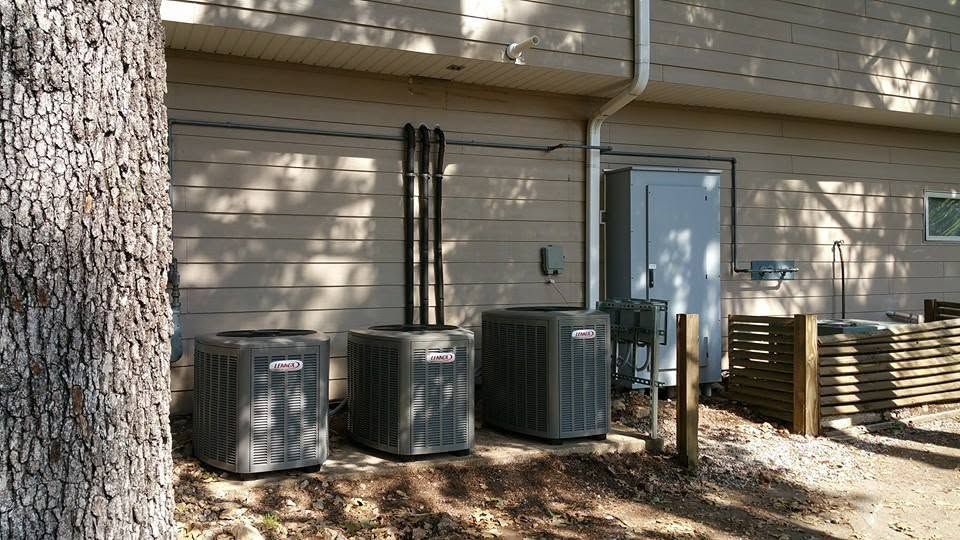
A gas furnace creates heat through combustion. An air-source heat pump transfers heat rather than creating it through combustion, using a refrigeration cycle that can operate in either direction.
That gives a heat pump an important second job: it can both heat and cool your home. A gas furnace provides heat and is typically paired with a separate air conditioner for cooling.
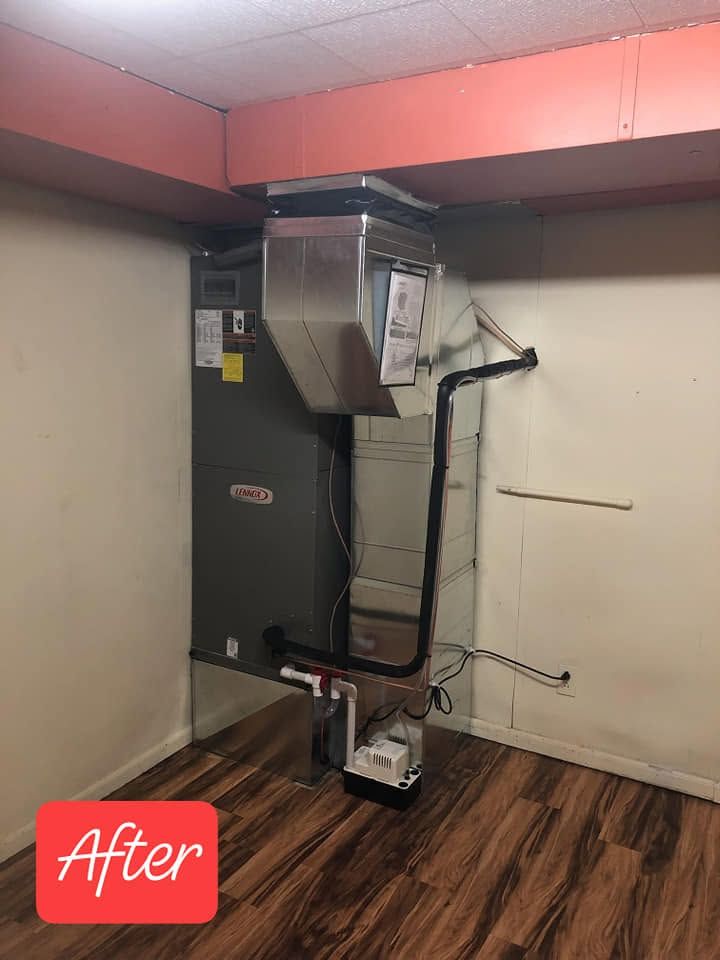
This distinction is important when you're considering HVAC replacement and installation. If both your furnace and AC need replacement, you're comparing complete system configurations. If only one component is failing, the decision can look very different.
The table helps explain the equipment, but it doesn't tell you which option fits your house. That's where climate, existing equipment, operating costs, and system design become important.
Heat Pump vs. Gas Furnace at a Glance
| System | How It Heats | Cooling | What to Compare |
|---|---|---|---|
| Air-source heat pump | Moves heat using a refrigeration cycle. | Can provide both heating and cooling. | Cold-weather capacity, efficiency, backup heat, electricity rates, and system design. |
| Gas furnace | Creates heat through fuel combustion. | Typically paired with a separate air conditioner. | Furnace efficiency, gas availability and cost, cooling equipment, and the condition of the existing system. |
| Dual-fuel system | Combines a heat pump with a gas furnace. | The heat pump can provide cooling. | Equipment performance, system controls, local energy prices, and the home's heating needs. |
Can a Heat Pump Handle a Springfield Winter?
Yes, appropriately selected modern heat pumps can operate below freezing. The idea that heat pumps simply stop working at 32°F is outdated.
Some heat pumps are designed and rated for stronger performance in cold weather. Ask how the specific model’s heating capacity and efficiency change as outdoor temperatures fall.
For a Springfield homeowner, the better questions are:
- How much heat does this particular home need during colder weather?
- How much heating capacity can the proposed heat pump provide as temperatures drop?
- Is backup heat part of the system design?
- How well are the home, ductwork, and HVAC system matched to the equipment?
Simply choosing a larger heat pump isn't the answer, either. One recommendation we frequently make is to look at the home and connected HVAC system rather than assuming bigger equipment will provide better comfort.
Which Costs Less to Operate?
There isn't one answer that applies to every Springfield home.
Heat-pump operating costs depend on electricity rates, equipment efficiency, outdoor conditions, heating demand, and how often supplemental heat is used. Gas-furnace costs depend on natural gas prices, furnace efficiency, and the home's heating needs.
A homeowner using propane faces another set of economics.
That's why broad claims such as "a heat pump will always save money" or "gas is always cheaper" aren't especially useful when you're making an actual replacement decision.
Instead, compare the equipment being proposed, your available fuel sources, and how each configuration is expected to operate in your home.
Comfort matters, too. Heat pumps often deliver heat differently from gas furnaces. Someone accustomed to the hotter supply air of a gas furnace may notice that heat-pump air feels less hot even while the system is heating the house normally. Heat pumps may also operate for longer periods to maintain a steady indoor temperature.
What Is a Dual-Fuel System?
A dual-fuel system combines an electric heat pump with a gas furnace. Instead of forcing you to choose one heating technology exclusively, the system can use the heat pump under appropriate conditions and the furnace when the controls call for it.
This can be especially worth discussing when a homeowner already has a gas furnace but is replacing an air conditioner.
There is no universal outdoor temperature at which every dual-fuel system should switch from the heat pump to the furnace.
The switchover point depends on the heat pump’s performance, the home’s heating needs, local energy prices, and how the system controls are set.
A blanket rule such as "always switch to gas at 32 degrees" ignores those variables.
Which Situation Sounds Most Like Your Home?
The easiest way to make this comparison useful is to start with what you already have.
If Both Your Furnace and Air Conditioner Need Replacement
This gives you the opportunity to compare complete systems rather than automatically replacing both pieces with the same type of equipment.
A new furnace and AC may make sense. A heat pump may make sense. A heat pump paired with a furnace may also deserve consideration.
If Your Air Conditioner Needs Replacement but Your Furnace Still Works
You may not have to treat the cooling replacement as a completely separate decision.
Depending on equipment compatibility and the overall system design, this can be a good time to ask whether a heat pump could handle cooling while also providing another source of heat.
If You Are Considering a Heat Pump
A heat pump deserves serious consideration before adding another fuel source solely for heating. The available electrical service, existing HVAC configuration, heating load, and backup strategy still need to be evaluated.
Having natural gas doesn't automatically mean you should keep the same configuration forever, just as the availability of a heat pump doesn't mean you should abandon a functioning gas setup.
Compare what actually needs replacement and what you want the new system to accomplish.
If Your Home Uses Propane
Fuel availability and operating costs become particularly relevant. A heat pump or dual-fuel configuration may be worth comparing with continued propane heating rather than assuming one choice automatically wins.
If Your Main Concern Is Uneven Comfort
Which situation sounds more like your home? Solve that question before expecting replacement equipment to fix it.
Uneven temperatures may involve ductwork, airflow, returns, equipment sizing, or other conditions within the home. Our Airflow & Home Comfort services focus on identifying those connected problems instead of assuming the equipment itself is always the cause.
Don't Choose New Equipment Without Looking at the House
A heat pump-versus-furnace comparison can become too focused on the equipment itself.
In our experience, good HVAC replacement decisions require looking beyond the box. Equipment sizing, ductwork, airflow, filtration, controls, current comfort problems, and the other components already in the system can affect how the new equipment performs.
A high-efficiency system isn't particularly helpful if an unresolved airflow problem keeps parts of the house uncomfortable.
That's why our approach to HVAC replacement starts with understanding the existing system and what the homeowner wants to improve.
Five Questions to Ask Before Choosing
Before deciding between a heat pump, gas furnace, or dual-fuel system, answer these five questions:
- What heating and cooling equipment do I currently have?
- Which components actually need replacement?
- What fuel sources are already available at my home?
- Do I have existing airflow, ductwork, or comfort problems that should be addressed?
- What matters most to me: upfront investment, operating costs, comfort, fuel preference, system configuration, or another priority?
Those answers provide a much better starting point than choosing a system because one technology is described as universally "better."
For Springfield homeowners, the goal should be a heating and cooling system that fits the house, the climate, and the way you actually use your home.
Frequently Asked Questions
Does a heat pump use its outdoor unit while heating?
Yes. An air-source heat pump uses its outdoor unit while heating because the system is transferring heat from the outdoor air into your home.
Is it normal to see vapor around a heat pump in winter?
A brief cloud of water vapor during a heat pump’s defrost cycle can be normal. If you see actual smoke or notice a burning odor, turn off the system if it’s safe to do so and contact a qualified HVAC professional. If there is a fire or immediate danger, leave and call emergency services.
Does a gas furnace need electricity?
Most modern gas furnaces need electricity to run the blower, controls, and ignition components, even though natural gas supplies the heating fuel.
Can a heat pump use my existing ductwork?
Often, but existing ducts should still be evaluated for sizing, condition, and airflow. The presence of ductwork doesn't automatically mean it is appropriate for every replacement system.
Does a heat pump need maintenance year-round?
A heat pump operates during both heating and cooling seasons, so maintenance should account for its year-round role. The appropriate schedule depends on the equipment and manufacturer recommendations.
Choose a System That Fits Your Home
You don't have to decide between a heat pump and gas furnace based on a generic pros-and-cons list.
At Tom's Air Conditioning & Heating, we evaluate the equipment you already have, airflow and ductwork, comfort concerns, replacement needs, and what you want from the new system. Our Show Me Reporting™ process helps document what we find so you can understand the options before deciding what makes sense for your home.
If you're considering a new heating and cooling system in Springfield and surrounding Southwest Missouri, learn more about our HVAC replacement and installation services.